

Products
Product Category
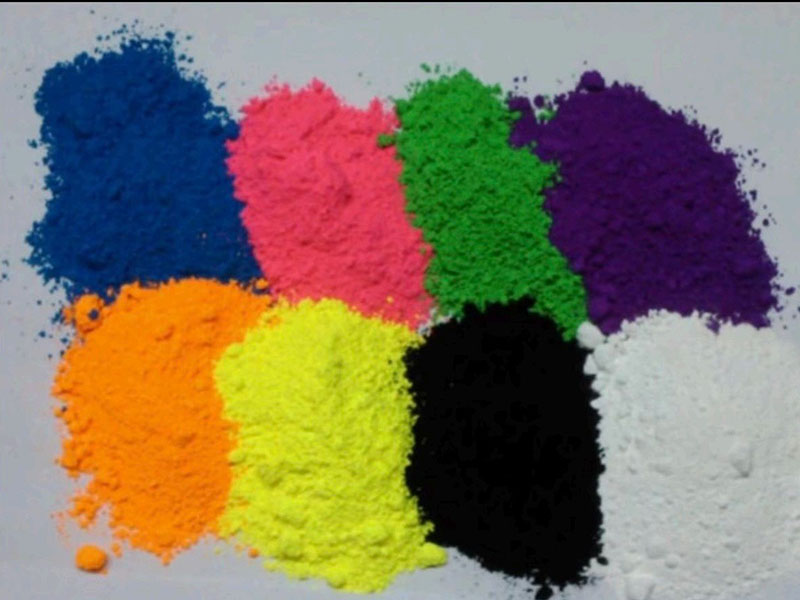
Plastic Pigment
Plastic pigments are powdered pigments used to color plastic products. They are directly mixed into the plastic raw material to impart color.
Description
Plastic pigments are powdered pigments used to color plastic products. They are directly mixed into the plastic raw material to impart color. Performance Characteristics
· Tinting Strength: This refers to the amount of pigment required to produce a certain amount of colored product, expressed as a percentage of the tinting strength of a standard sample. The better the pigment's dispersion, the higher its tinting strength.
· Heat Stability: The pigment exhibits no significant change in color, tinting strength, or performance under a certain processing temperature and time. Processing temperatures vary for different plastics, generally ranging from 120°C to 350°C, and pigments must possess corresponding heat resistance. Weatherability: Some pigments exhibit excellent weather resistance. For example, pigments with a dual-coating technology for UV protection and aging resistance have passed 3000 hours of QUV UV weathering testing, achieving color fidelity of international standard Class 5, making them suitable for outdoor plastic products.
Migration Resistance: Some pigments utilize molecular-level encapsulation technology, chemically bonding to the plastic substrate. Even with prolonged exposure to water and oil, they remain stable and resist migration and discoloration, making them suitable for plastic products requiring high hygiene requirements. Applications: Plastic colorants are widely used in various plastic processing applications, such as automotive parts, outdoor mats, plastic toys, rubber handles, wires and cables, and medical products. The appropriate colorant can be selected based on the specific product's needs, ensuring it meets color and performance requirements.
Inquiry
Recommend Product
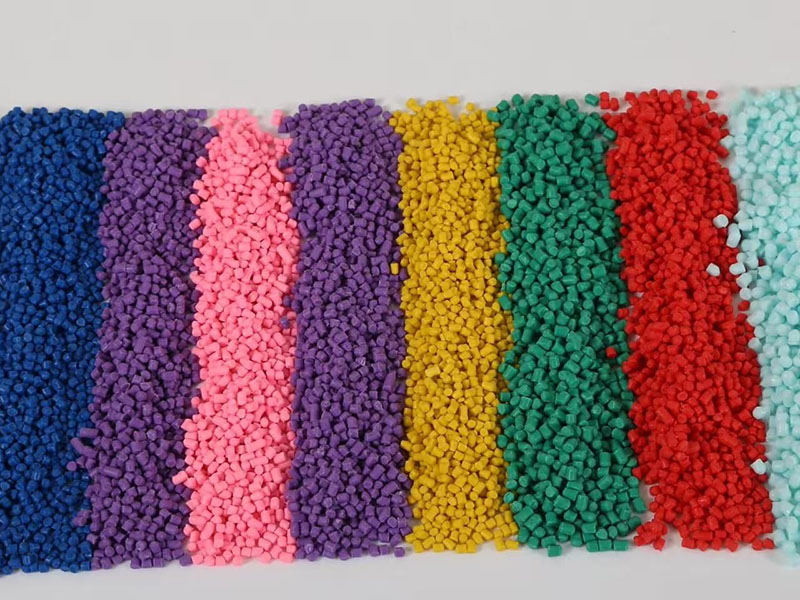
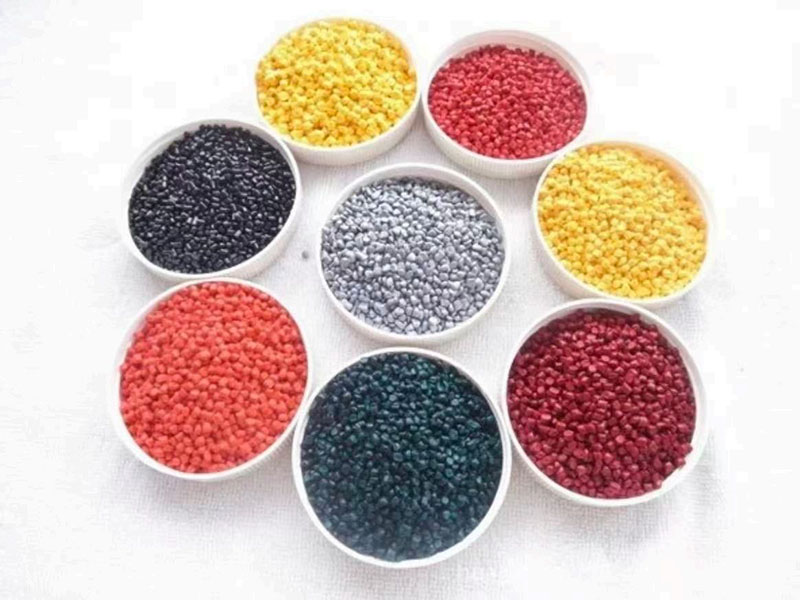
 Colorful MasterbatchPlastic masterbatch is a specialized colorant for polymer materials. Made from pigments/dyes, carrier resins, and additives, it's processed into a granular product. It imparts stable color and enhances the performance of plastic products.
 Colorful MasterbatchPlastic masterbatch is a specialized colorant for polymer materials. Made from pigments/dyes, carrier resins, and additives, it's processed into a granular product. It imparts stable color and enhances the performance of plastic products.
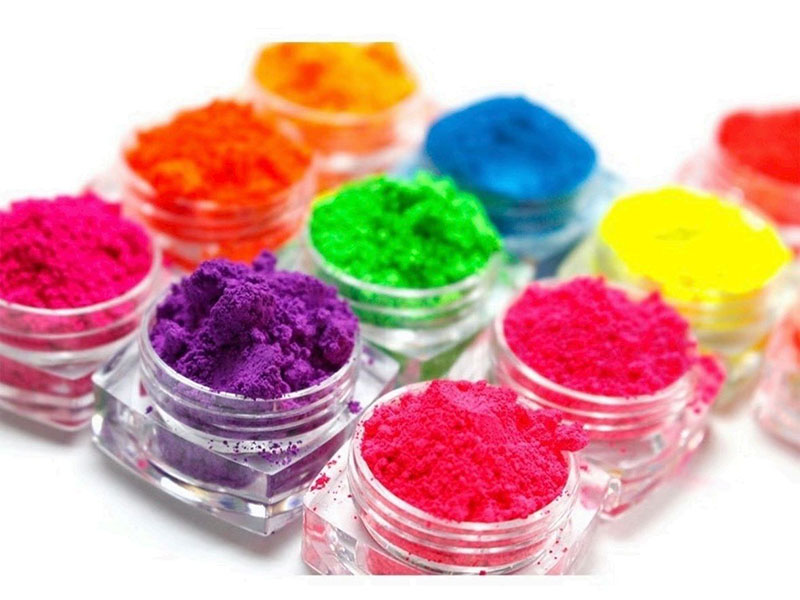
 Plastic PigmentPlastic pigments are powdered pigments used to color plastic products. They are directly mixed into the plastic raw material to impart color.
 Plastic PigmentPlastic pigments are powdered pigments used to color plastic products. They are directly mixed into the plastic raw material to impart color.