

Product Category
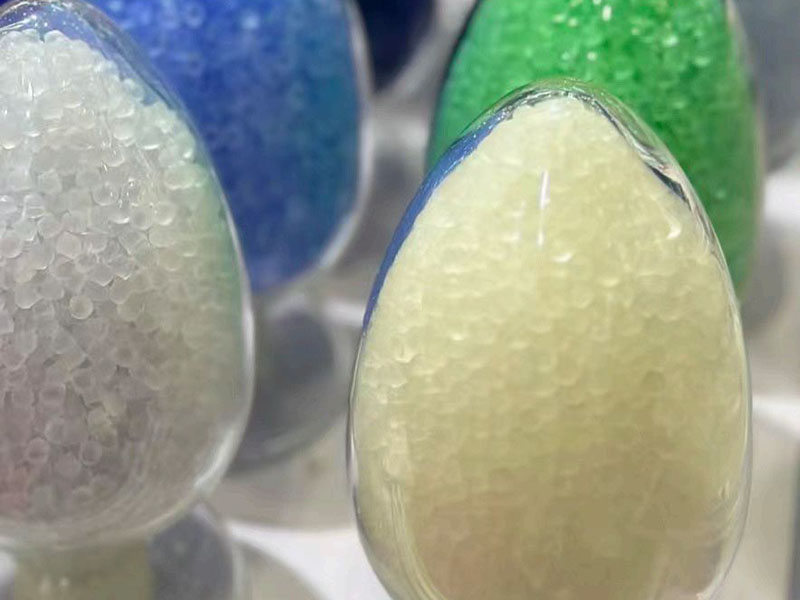
Modified Plastic Pellets and Bioparticles
Modified plastic pellets are made by adding additives, fillers, or other resins to base plastics (such as polyethylene, polypropylene, and ABS) and then mixing, extruding, and granulating them.
Description
Modified plastic pellets are made by adding additives, fillers, or other resins to base plastics (such as polyethylene, polypropylene, and ABS) and then mixing, extruding, and granulating them. These pellets are designed to enhance the plastic's original properties or impart new functions.
Key Performance Advantages
· Customization: The formula can be precisely adjusted to meet specific application requirements for strength, heat resistance, flame retardancy, and other properties.
High Cost-Effectiveness: Compared to unmodified plastics, partial filling and modification not only improves performance but also reduces raw material costs.
· Expanded Applications: By overcoming the performance limitations of base plastics, plastics can replace materials such as metals and ceramics in high-end applications such as automotive, electronics, and new energy.
Plastic bioparticles generally refer to bio-based or biodegradable plastic pellets. These are granular materials made from renewable biomass (such as plant starch, cellulose, and microbial fermentation products), or modified to render them biodegradable in the natural environment. Their core goal is to reduce dependence on traditional petroleum-based plastics and minimize environmental pollution. Typical Applications
· Disposables: Disposable tableware, straws, shopping bags, and express delivery cushioning materials, replacing traditional, difficult-to-degrade FE and PP products.
Agriculture: Degradable mulch films prevent soil compaction caused by traditional mulch film residue; crop seedling pots can be buried directly in the soil and degrade.
Medical: Absorbable sutures, surgical anti-adhesion films, and drug carrier microspheres utilize the biocompatibility and degradability of materials like PHA to eliminate the need for secondary surgical removal.
· Packaging: Food packaging films (such as PLA composite films) and cosmetic bottles (bio-based PET), balancing environmental protection and product protection.
Inquiry
Recommend Product
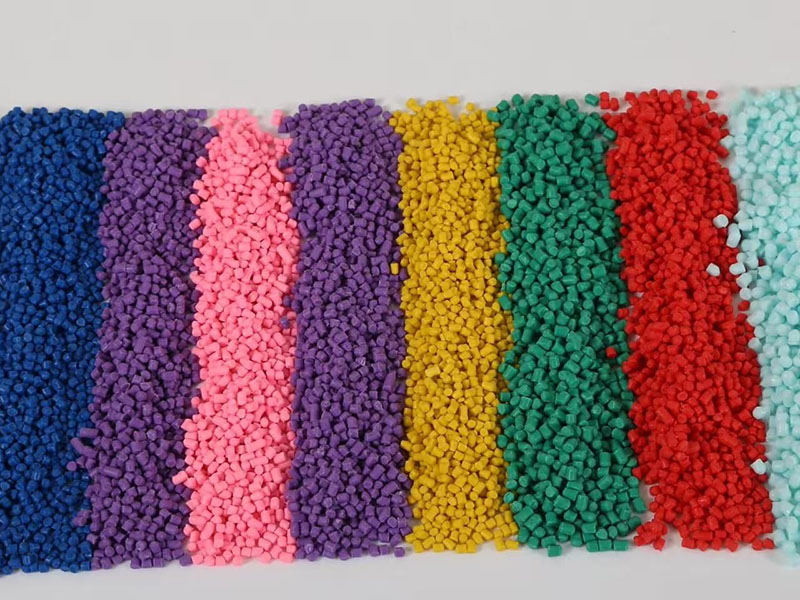
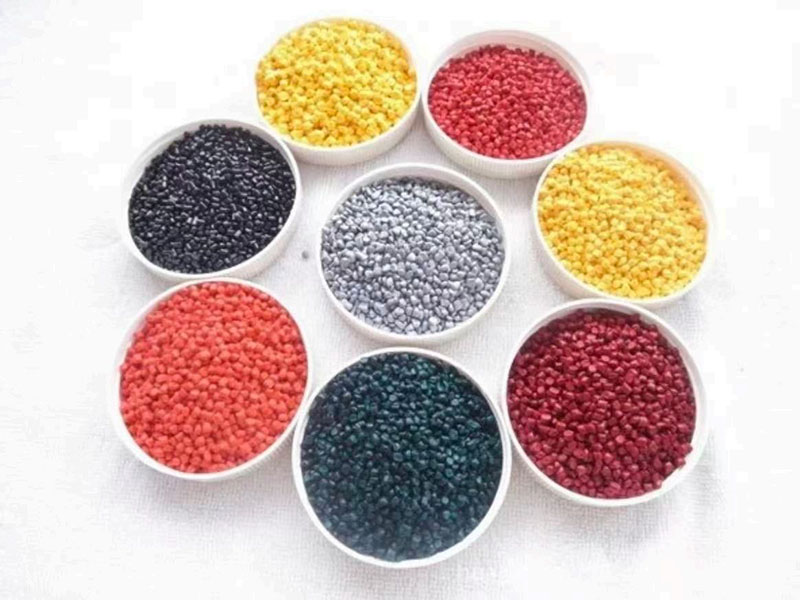
 Colorful MasterbatchPlastic masterbatch is a specialized colorant for polymer materials. Made from pigments/dyes, carrier resins, and additives, it's processed into a granular product. It imparts stable color and enhances the performance of plastic products.
 Colorful MasterbatchPlastic masterbatch is a specialized colorant for polymer materials. Made from pigments/dyes, carrier resins, and additives, it's processed into a granular product. It imparts stable color and enhances the performance of plastic products.
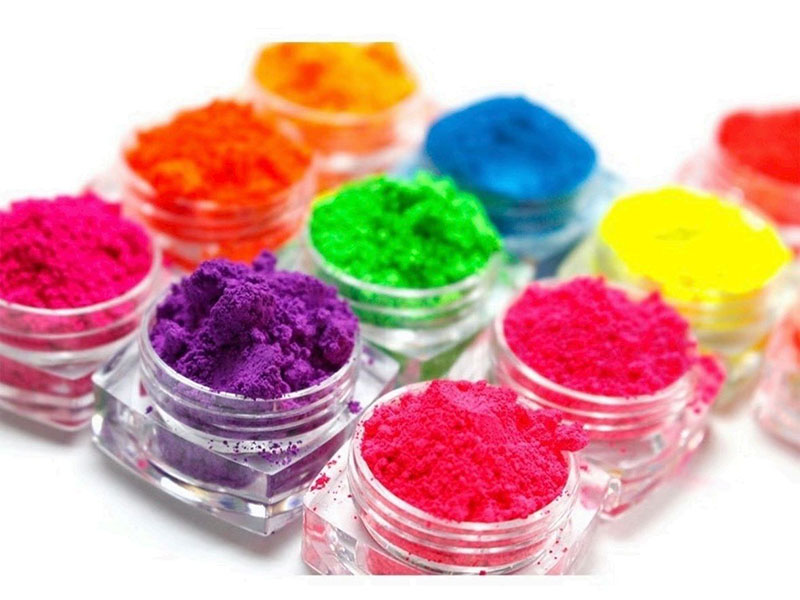
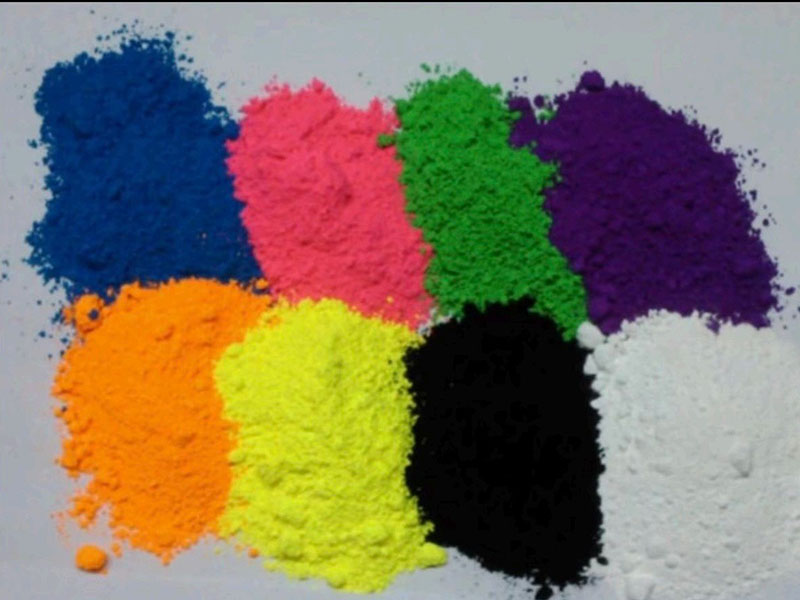
 Plastic PigmentPlastic pigments are powdered pigments used to color plastic products. They are directly mixed into the plastic raw material to impart color.
 Plastic PigmentPlastic pigments are powdered pigments used to color plastic products. They are directly mixed into the plastic raw material to impart color.